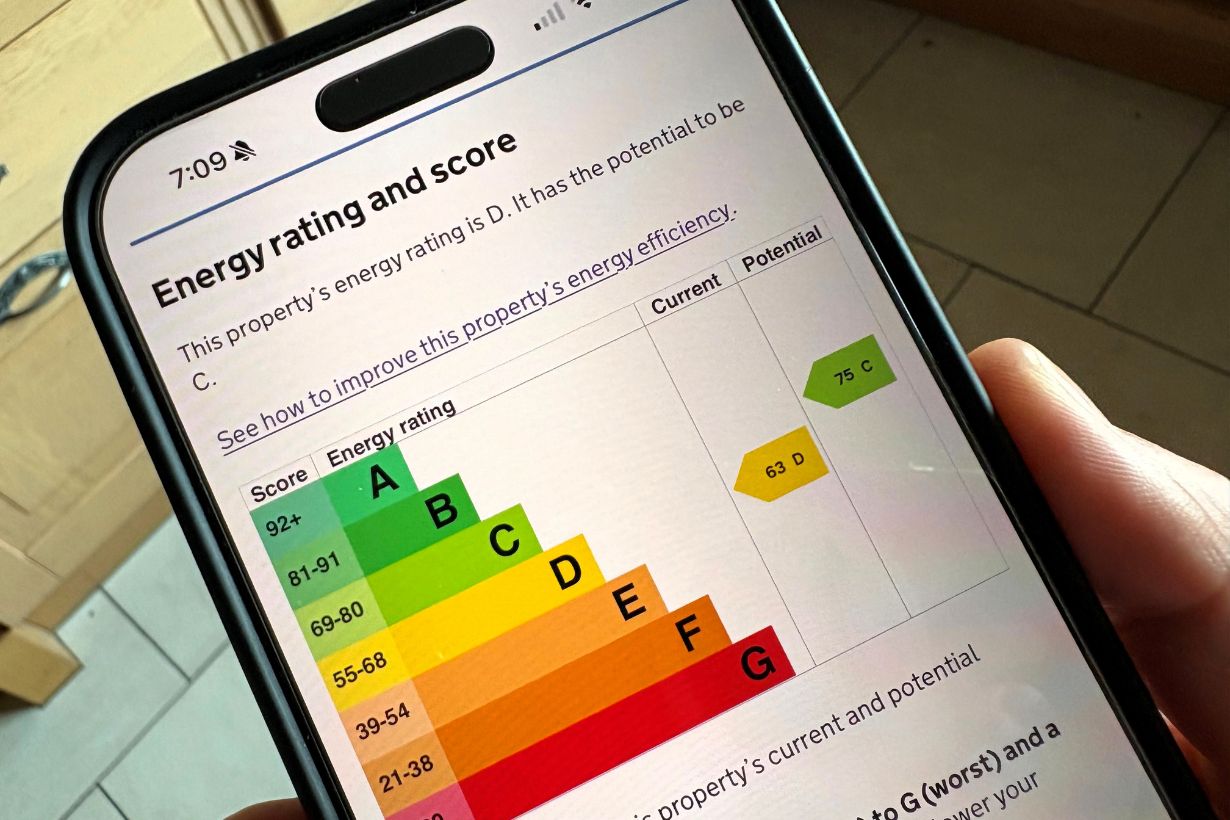
The government is set to introduce new Minimum Energy Efficiency Standards (MEES), which will require most privately rented homes to achieve an Energy Performance Certificate (EPC) rating of C or above by 2030. If you rent out property to private tenants, here's what you need to know, and the steps you can take now.
What's changing?
Under current Minimum Energy Standards, privately rented properties are required to meet a minimum EPC rating of E to be let legally. New legislation is expected to raise this minimum, requiring most privately rented homes to meet an EPC rating of C or above by October 2030, unless an exemption applies.
Who's affected?
MEES applies to most privately-rented properties in England and Wales, so if you'e a private landlord, it's very likely that you'll be affected.
What should I do now?
Checking the current EPC rating of your property is a good place to start.
An EPC measures the energy efficiency of a property, with homes rated from A (most efficient) to G (least efficient). Find out more about how EPCs work on our dedicated page
Your EPC report will give you an idea of the kinds of improvements you could make to your property. The right improvements for you will also depend on things like:
- your aims and budget, including any funding you could apply for
- how much energy your property currently uses
- the age, condition and construction of your property
Because every property is different, getting personalised, expert advice is important. Retrofit West’s free, impartial advice service for landlords can help you get started with understanding your options.
Cost caps, exemptions and funding
Under the new proposals, you won't be expected to spend more than £10,000 per rental property towards improvements. This means some properties may qualify for an exemption, if improvement works would exceed this cost cap.
Your property may also qualify for an exemption where:
- the works would damage the building
- planning permission is refused
- there are genuine technical barriers to making improvements
Financial support may be available to help with energy efficiency improvements.
Through the Bright Green Homes (Warm Homes Local Grant) scheme, some privately rented properties with EPC ratings of D to G may be eligible for grant funding. Additional eligibility criteria apply.
You may also be able to access support through the Boiler Upgrade Scheme, which offers funding towards eligible heat pump installations.
Planning permission
Most energy efficiency improvements do not require planning permission. However, if your property is listed or in a conservation area, you may need additional advice before carrying out some work. Find out more about planning on the B&NES council website.
Future EPC changes
The way EPCs are calculated is expected to change from 2027. We’ll update this guidance as more information becomes available. In the meantime, you can find out more about how EPCs work on our dedicated page.
Next steps
You don’t need to wait until 2030 to get your property ready for higher energy efficiency standards. You can avoid a last minute rush, save yourself money, and improve your tenants' quality of life right now: